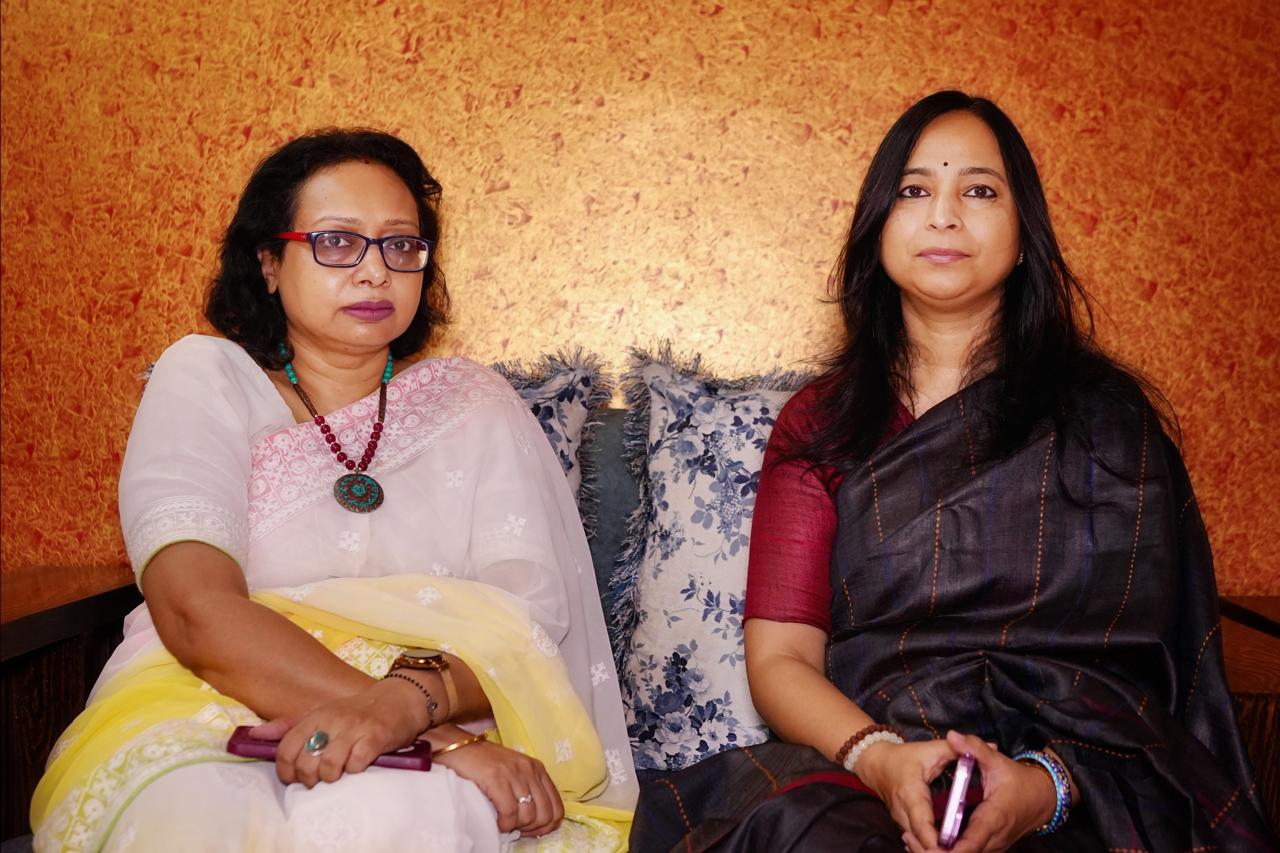
Award-Winning Bestselling Author, TEDx Speaker & Columnist Jyoti Jha is in conversation with Dr. Manisha Krishna, Director- Utkarsh Seva Sanstha, one of those rare stories where a mother’s personal pain became a lifeline for dozens of families in the latest episode of “From Book to Impact: Life on the Spectrum - One story, One Voice at a Time…”
In a city like Patna, where awareness, infrastructure, and acceptance around autism are still growing, Dr Manisha Krishna built a grassroots ecosystem from scratch, running an institute that focuses on dignity, independence, and inclusion, not just treatment. Travelling across India and even abroad (UK, US, Bangalore, Delhi) to learn therapies and interventions, obtaining formal training in special education, and then coming back to her motherland to build something for other parents so they wouldn’t have to struggle the way she did.
Utkarsh Sewa Sansthan has been much more than a school; it’s a full rehabilitation and support centre that supports children and even adults (ages 2 to 40 years) with autism and other developmental conditions.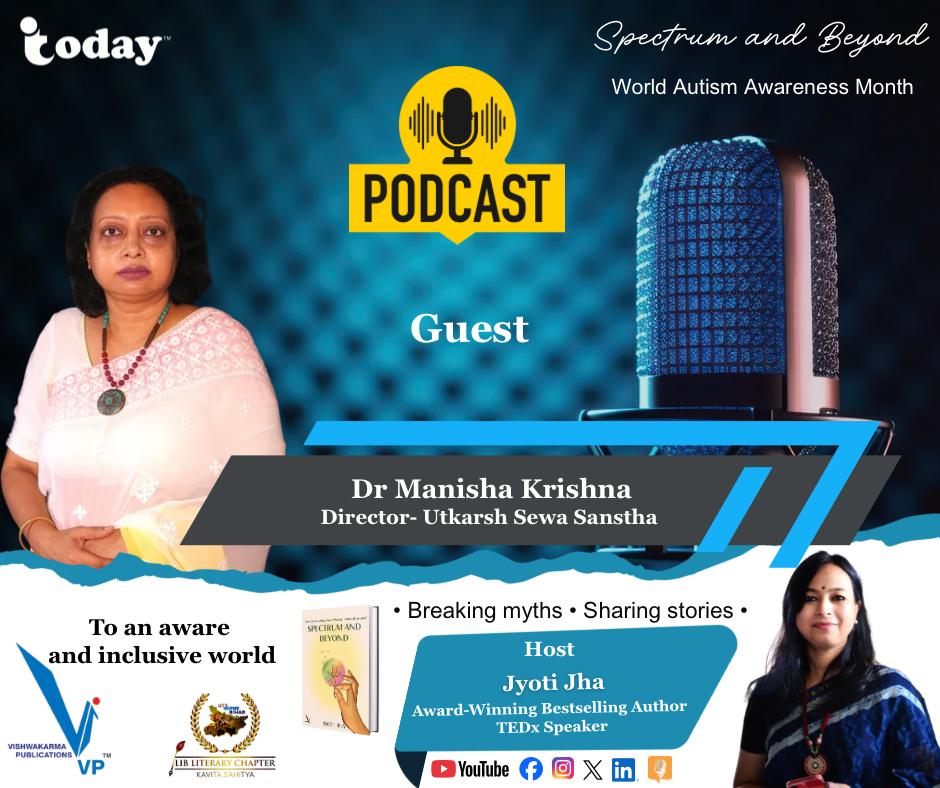
What stood out most during the conversation was how both perspectives complemented each other—the clinical insights of an institute head paired with the deeply personal approach of a mother.
The discussion explored not just the science behind autism, but also the lived experiences, challenges, and strengths of individuals on the spectrum. It was refreshing to hear a perspective that moved beyond stereotypes and focused on understanding, acceptance, and meaningful support.
One key takeaway: awareness is only the first step—true inclusion requires listening, learning, accepting and adapting the way we think about neurodiversity.
A dire necessity for the world, especially India, Autism Awareness has become a rising concern globally. Dr Manisha Krishna has been working as Director, Utkarsh Sewa Sansthan for more than 20 years, helping children with special needs, especially autism spectrum disorder and neurodiversity. She shared her journey where she was inspired to work towards the cause when her son was diagnosed with autism spectrum disorder in the year 2003, a time when autism awareness was almost negligible to the common people. Having completed her PhD and planning ahead to dive into her career, she didn’t know fate had other plans for her. She chose her destiny and made it a path that shone light not only on her altered life, but also on several other parents who were as helpless as she was.
During her stay in the USA, she observed how the country was ahead in creating awareness towards autism and also accepting it as part of life. Shifting back to her home country and choosing Delhi as the base location, she had her son admitted to a heritage school while she trained herself in attaining a degree in autism care and support. Shifting her base from the capital city, Delhi, to the capital of Bihar, Patna, she began a new journey and a new venture that transformed several lives. Taking cognition from her personal experience, she began raising awareness towards autism among other parents by creating posters, visiting medical professionals, seeking their guidance and advice, having counselling sessions and so on. In about 15 years, her centre has worked with 500-600 children diagnosed with autism spectrum disorder. She advocates that more than awareness, it is the acceptance among parents and families that is more important to handle the situation more effectively. From global environment to national concern and then stepping into the fabric of Bihar and finding a pulse that helped create awareness and acceptance towards social issues like autism spectrum disorder, Dr Manisha’s story is remarkably inspiring and incredibly praiseworthy.
She believes that just like the favourable ecosystem usually seen and observed in the western countries for concerns like autism, India and especially Bihar, needs to develop a mindset where the government machinery initiates programs and plans that help create a lifetime support for individuals, families and caregivers for the issue. The social stigma needs to be removed, and support centres need to be established to provide safety, security, and assurance to such individuals, their families, and caregivers. Psychological help, outreach programs, and support centres should be established for such families, and a positive mindset needs to be developed in families and society as a whole.
She extended her gratitude to the host and her initiative to reach out to individuals like her towards this cause, and through literary endeavours, trying to raise awareness for autism. congratulating on her book, Spectrum and Beyond, and highlighting the important role of literature in social changes, she extended her wishes to the team.
To an aware and inclusive world!