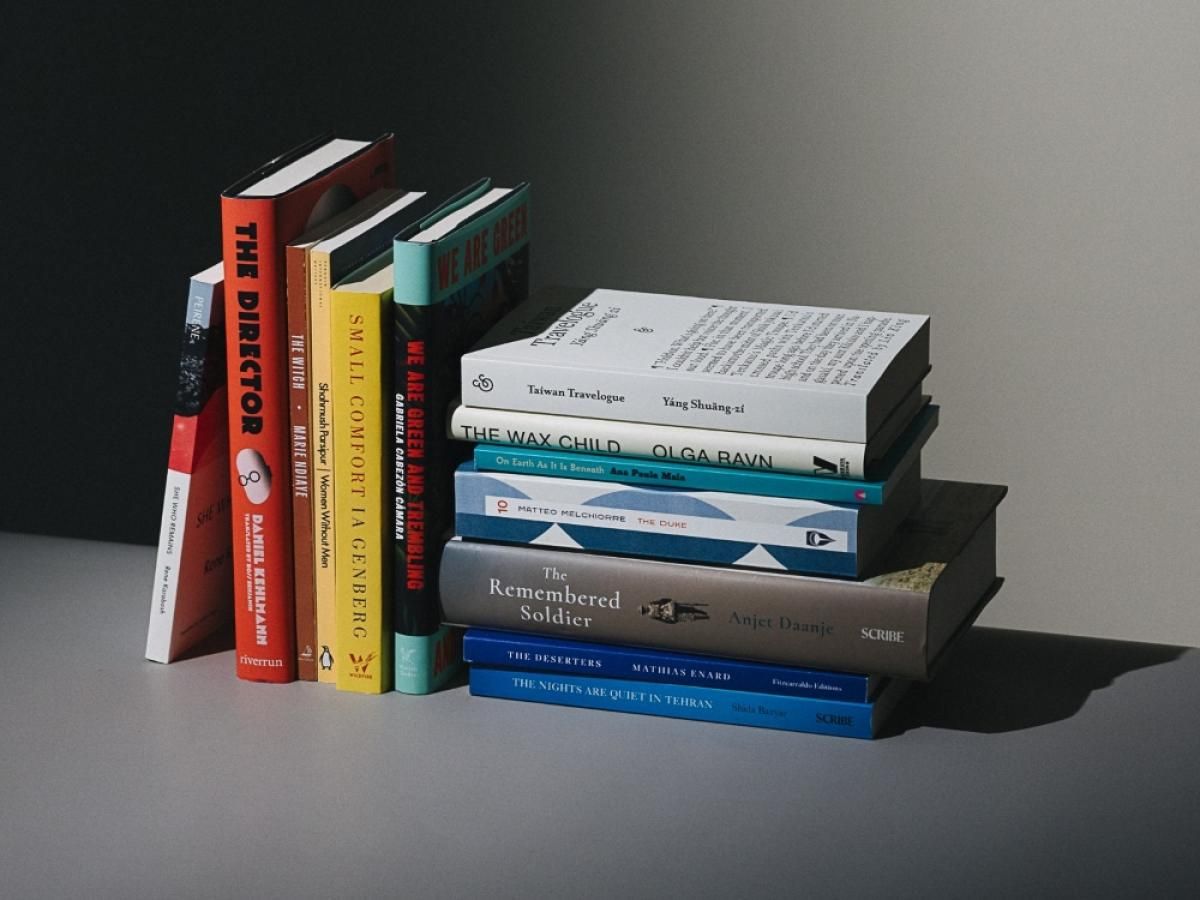
The International Booker Prize 2026 Longlist has been unveiled, showcasing 13 extraordinary works of fiction translated into English from 11 different languages and representing writers across four continents.
The longlist announcement, made on 24 February 2026, confirms once again that the prize remains one of the most vital platforms for international literature in translation — a global celebration of storytelling that transcends borders, cultures and linguistic divides.
Each year, the International Booker Prize — widely regarded as the most prestigious award for translated fiction in the English-speaking world — honours both authors and translators, with the £50,000 prize money shared equally between the two if they win. The longlist is selected from a wide field of submissions; in 2026, editors and publishers entered 128 titles that were originally published in languages other than English, now newly translated and published in the UK and/or Ireland between 1 May 2025 and 30 April 2026.
What sets the International Booker apart is its commitment not just to recognize literary excellence, but also to celebrate the art of translation — the intricate craft that bridges cultural divides and brings the best global writing to new audiences. The longlist offers readers a rare opportunity to discover voices and narratives from places they might never otherwise encounter, from Denmark to Iran, Argentina to Taiwan.
The Longlist: A Snapshot of the 13 Titles
The thirteen longlisted books represent a wide range of styles, genres, historical contexts and thematic explorations. Here’s the full list of titles, along with the original author and translator:
1. The Nights Are Quiet in Tehran by Shida Bazyar, translated from German by Ruth Martin
2. We Are Green and Trembling by Gabriela Cabezón Cámara, translated from Spanish by Robin Myers
3. The Remembered Soldier by Anjet Daanje, translated from Dutch by David McKay
4. The Deserters by Mathias Énard, translated from French by Charlotte Mandell
5. Small Comfort by Ia Genberg, translated from Swedish by Kira Josefsson
6. She Who Remains by Rene Karabash, translated from Bulgarian by Izidora Angel
7. The Director by Daniel Kehlmann, translated from German by Ross Benjamin
8. On Earth As It Is Beneath by Ana Paula Maia, translated from Portuguese by Padma Viswanathan
9. The Duke by Matteo Melchiorre, translated from Italian by Antonella Lettieri
10. The Witch by Marie NDiaye, translated from French by Jordan Stump
11. Women Without Men by Shahrnush Parsipur, translated from Persian by Faridoun Farrokh
12. The Wax Child by Olga Ravn, translated from Danish by Martin Aitken
13. Taiwan Travelogue by Yáng Shuāng-zǐ, translated from Mandarin Chinese by Lin King
This list represents an eclectic mix — from established literary figures with global reputations to groundbreaking debut novelists challenging conventional narrative forms. Among them are authors who have previously been recognized by the International Booker panel, such as Marie NDiaye and Daniel Kehlmann, and books whose original editions were published decades ago but find fresh life through translation — including Women Without Men (originally published in 1989) and The Witch (1996).
Themes That Resonate Across Borders
The 2026 longlist not only celebrates linguistic diversity but also explores powerful universal themes: war and trauma, transformation and resilience, historical reckoning, gender and identity, and the magical interstices of everyday life. Collectively, these books illuminate the human condition from multiple angles and contexts.
Books like The Remembered Soldier and The Deserters confront the psychological aftermath of conflict, while Women Without Men and The Nights Are Quiet in Tehran explore lived experience against the backdrop of gender politics and cultural change. Others, such as The Wax Child and Taiwan Travelogue, blur the lines between myth and reality, inviting readers into worlds both strange and vividly familiar.
Among the longlisted works, On Earth As It Is Beneath notably highlights contemporary social issues such as power, corruption and environmental exploitation. Its translator, Padma Viswanathan, a Canadian writer of Indian heritage, has been widely recognized for bringing this “haunting” Portuguese-language novel to an English-speaking readership, earning her a spot among global contenders for one of literature’s most revered prizes.
The Judges Behind the Selections
The 2026 selection was made by a distinguished panel of judges led by Natasha Brown, acclaimed author and chair of the panel. She was joined by writer, broadcaster and Oxford University professor Marcus du Sautoy, translator and writer Sophie Hughes, editor and bookseller Troy Onyango, and novelist and columnist Nilanjana S. Roy. Over the course of several months, the group reviewed hundreds of submissions, ultimately nominating a shortlist that best reflects the diversity and creative vitality of contemporary world literature in translation.
What Comes Next
The longlist is just the beginning. A shortlist of six titles will be announced on 31 March 2026, further narrowing the field to contenders for the prize. The winner will be revealed at a ceremony in London on 19 May 2026, where the author and translator of the winning book will share the coveted £50,000 prize — a testament to the enduring importance of global storytelling and translation as central components of literary life.
Why It Matters
In an age where global exchange is simultaneously richer and more challenged than ever, prizes like the International Booker underscore the value of storytelling across languages. They remind us that empathy, curiosity and imagination are universal — and that translated fiction acts as a bridge between cultures that might otherwise remain distant.
For readers around the world, the 2026 longlist is a map of fertile literary terrain — one that promises journeys through remarkable lives, landscapes and histories that only translated fiction can uniquely offer.